AI-Powered Solutions Custom Voice, Messaging,
Software Automation & Consultation
Offering custom AI voice communication, messaging automation and custom software for healthcare, senior living, real estate, and enterprise brands.
Why Use Rise AI?
Rise AI custom-builds commercial grade voice, messaging, and software automation tools that save time, reduce costs, and capture more revenue —
all while enhancing communication across every location.
Our AI solutions replace missed calls, delayed follow-ups, and disjointed workflows with 24/7, intelligent systems tailored to
Healthcare, Real Estate and Enterprise Operations

Missed Calls = Lost Revenue
85% never call back
80% don't leave voicemails
24/7 response needed

More Conversations = Sales
92% phone preference
60% avoid voicemail
3x conversion rate

Streamline Operations
Increase efficiency by up to 30-50%
20-40% reduction in operational costs
33% more likely to be high-performing

Ready to Upgrade Your Business With 24-Hour Communications?
Join the growing number of healthcare providers, real estate teams, and enterprise businesses using AI voice and messaging to automate communication and streamline operations
Solutions for Every Need
Whether you're an investor, owner or manager, our AI-powered communication tools are custom-built to meet your unique goals, challenges, and operations

For Enterprise Business
Capture after-hours revenue, reduce labor costs, streamline workflows and automate company standards
AI Voice and Messaging Automation
Custom Enterprise Software Development
Multi-Site Workflow Standardization Tools
Improve Customer Satisfaction

For Healthcare Settings
Unlock operational efficiency with AI that never sleeps
Automated Voice Agents for Patient and Family Communication
24/7 Call Handling and Scheduling Support
HIPAA-Compliant Messaging and Follow-Up Automation
Custom Software to Streamline Office Workflows

For Real Estate Teams
Give your team a reliable assistant that works around the clock
No Missed Calls
Handle Routine Inquiries
Automate Responses
Reduce Operational Costs
Coordinate Remote Teams

Bring Intelligence to Every Interaction, Day and Night
From AI voice agents to custom AI software, businesses are upgrading to AI-driven communication that works around the clock — no missed calls, no delays, no wasted time

Experience how our Voice AI handles calls across different business and healthcare settings
"Thank you for calling Sunrise Senior Living, this is Ainsly. How may I assist you today?"
- Answers calls instantly and routes them correctly
- Book tours and follows up with prospects via text
- Handles common questions about pricing and availability
- Alerts staff to urgent calls requiring personal attention
"Hi! Thanks for calling Delta Realty. This is Ainsly — how can I help you find your next home?"
- Answers buyer and seller calls immediately
- Schedules showings and sends confirmations via text
- Handles FAQs about property details and pricing
- Automatically updates your CRM with every inquiry
"Hello, you've reached River's Edge HVAC, how may I assist you today?"
- Answers calls instantly
- Routes them correctly
- Books appointments and orders
- Follows up with prospects via text
- Handles common questions about services and pricing
- Alerts staff to high-priority calls
"Thank you for calling Sunrise Senior Living, this is Ainsly. How may I assist you today?"
- Answers calls instantly and routes them correctly
- Book tours and follows up with prospects via text
- Handles common questions about pricing and availability
- Alerts staff to urgent calls requiring personal attention
"Hi! Thanks for calling Sunshine Realty. This is Ainsly — how can I help you find your next home?"
- Answers buyer and seller calls immediately
- Schedules showings and sends confirmations via text
- Handles FAQs about property details and pricing
- Automatically updates your CRM with every inquiry
"Hello, you've reached River's Edge HVAC, how may I assist you today?"
- Answers calls instantly
- Routes them correctly
- Book appointments and orders
- Follow ups with prospects via text
- Handle common questions about pricing, availability, or services
- Alert staff to urgent calls that require a personal touch
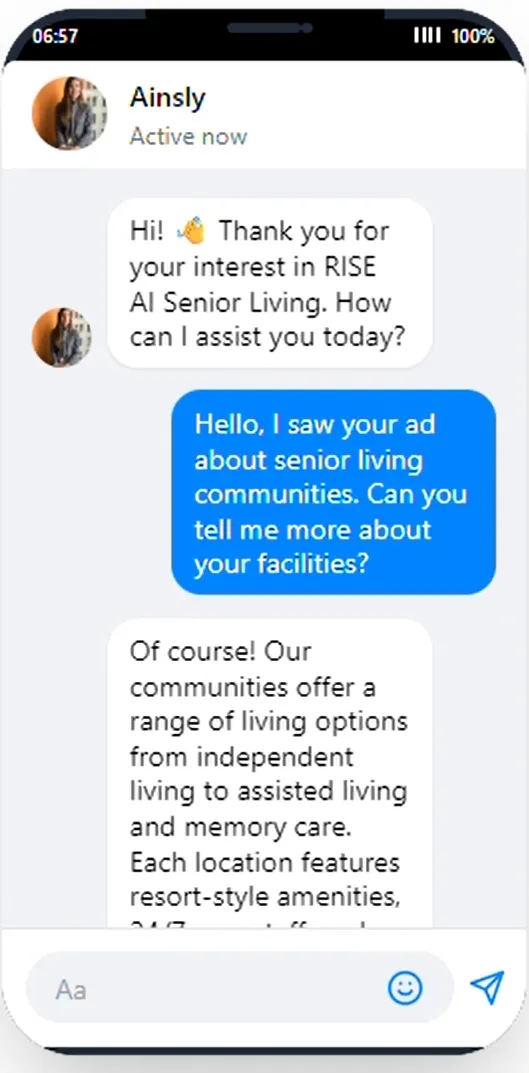
AI Messaging
Experience how our AI Chat Employee handles conversations across different business settings
sms/text
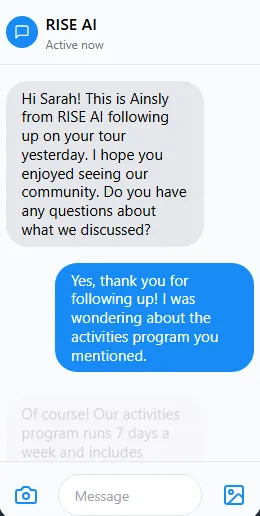
website widget
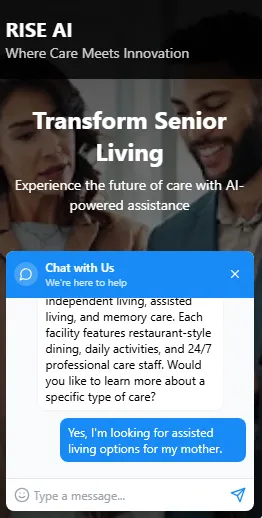
Facebook dm
Custom AI Software Development
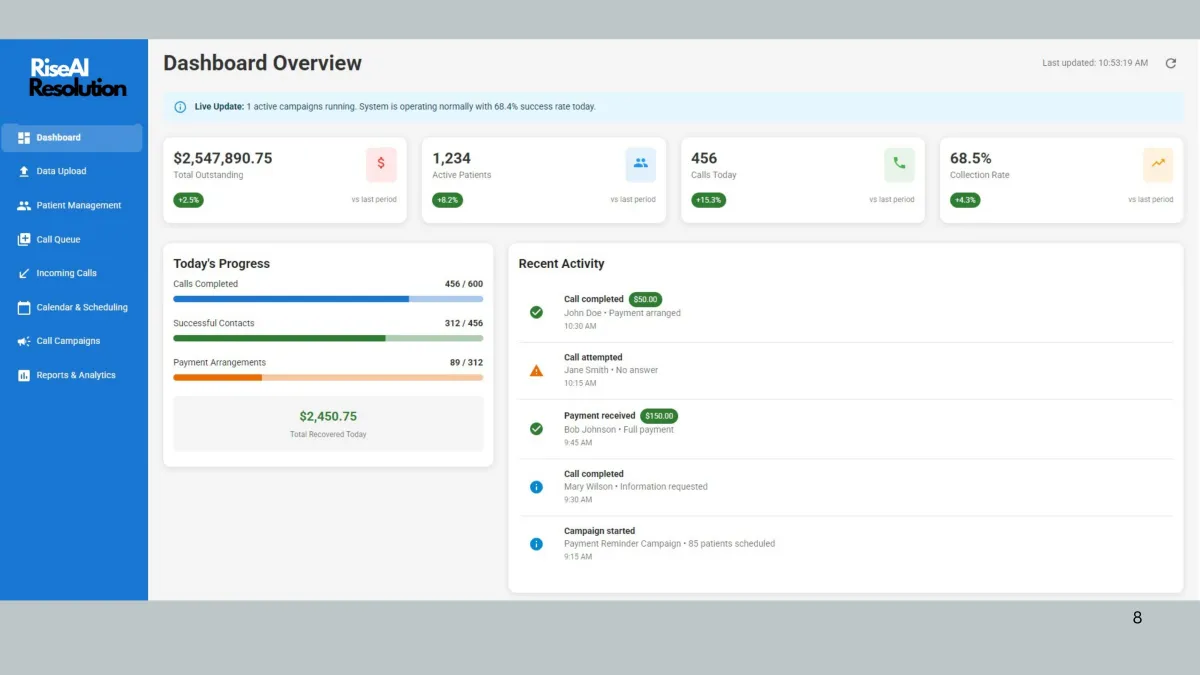
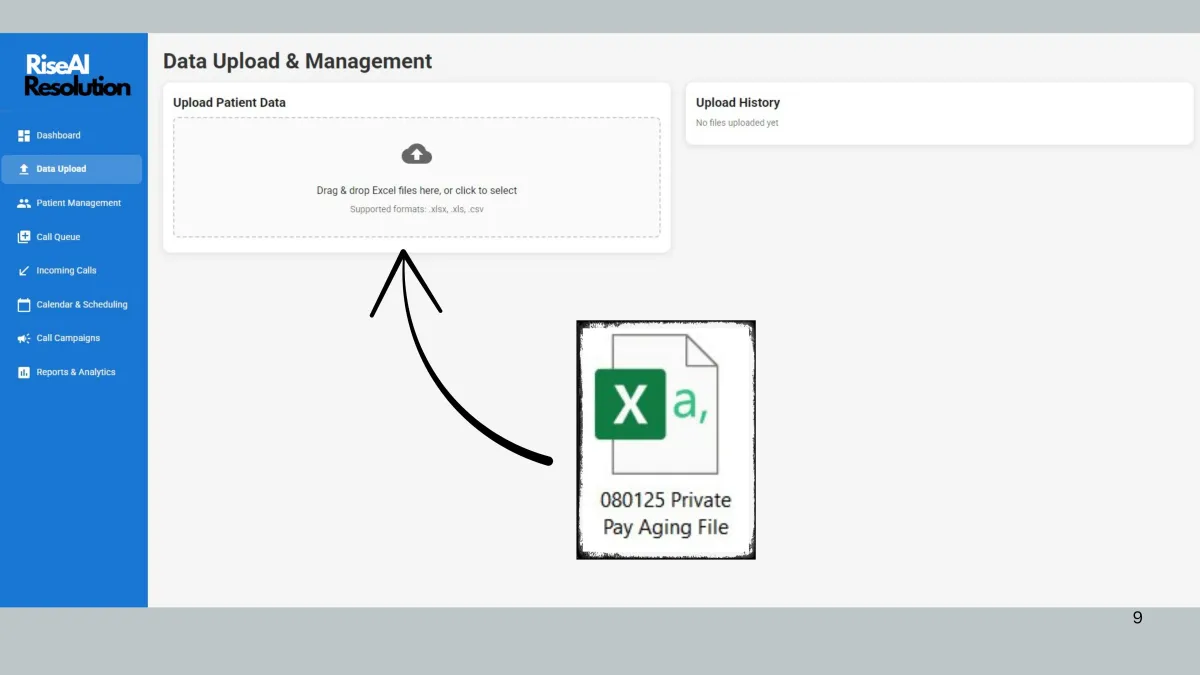
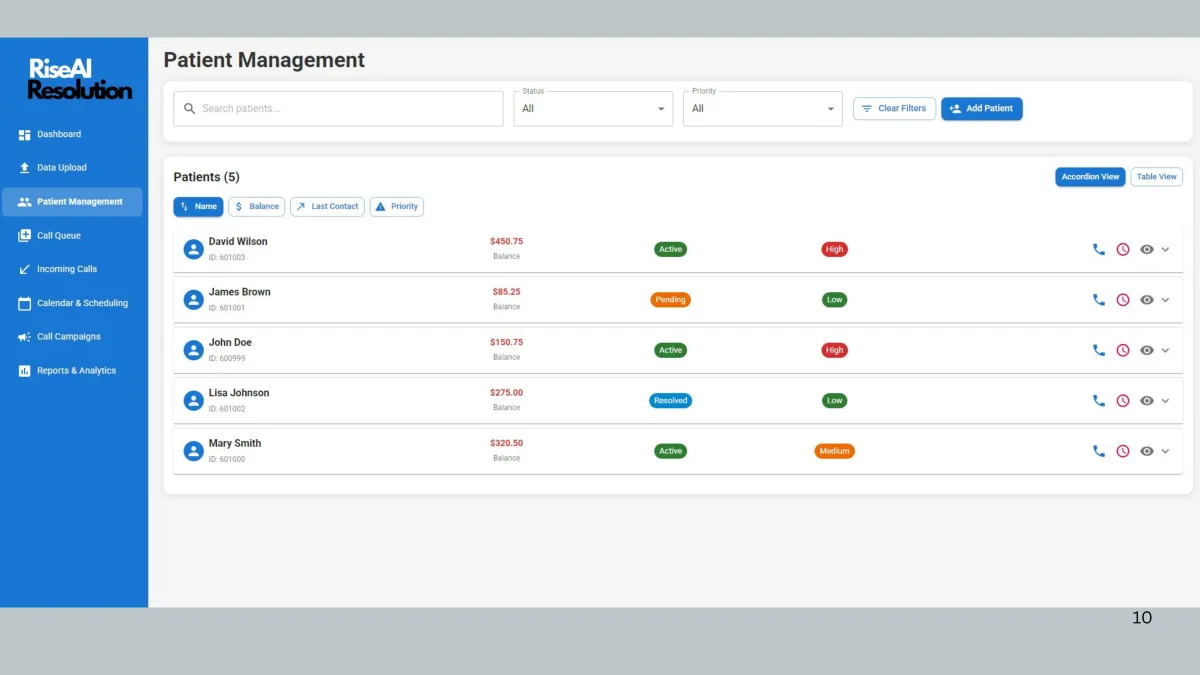
We work with your company to design custom AI and machine learning software that adapts to your workflows, accelerates productivity, and drives measurable results such as:
Predictive Analytics
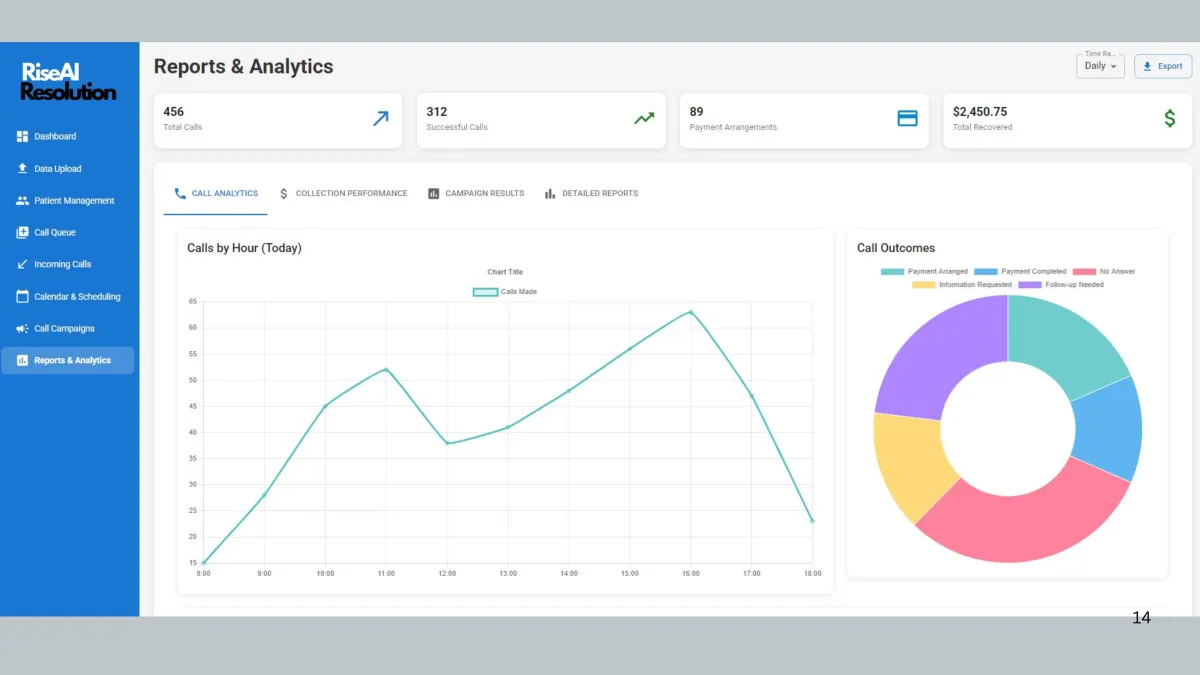
Account Collections
Revenue Cycle Automation
Automated Property Valuation Models
Custom Customer Communication
Can the AI system integrate with our existing management software?
Yes, our developers have designed our AI platform to seamlessly integrate with most major business and healthcare management systems. Our team will work with you to ensure smooth data synchronization and workflow automation
What training is required for staff to use the AI system?
We provide comprehensive yet simple training that typically takes just 1-2 hours. This includes video tutorials, live webinars, and hands-on practice sessions. Our support team is available for ongoing assistance, and we offer regular refresher training for new features
Is your platform scalable across multiple locations and departments?
Yes, our AI voice, messaging, and software solutions are designed for multi-site enterprises, ensuring consistent performance, centralized control, and scalable deployment
How does the AI help with occupancy and lead management?
Our AI system automates lead capture and nurturing by responding to inquiries 24/7, scheduling tours, and maintaining consistent follow-up communication. It tracks all interactions in the CRM, provides detailed analytics on conversion rates, and helps identify the most effective marketing channels.
What security measures are in place to protect resident data?
We maintain the highest level of security with HIPAA-compliant infrastructure, end-to-end encryption, and regular security audits. All data is stored in secure, redundant servers with strict access controls. We also provide detailed audit trails of all system access and interactions.
How quickly can the AI system be implemented?
Our streamlined implementation process typically takes 1-3 weeks from contract signing to go-live. This includes system integration, customization to your facility's needs, staff training, and a thorough testing phase. We provide dedicated support throughout the implementation to ensure a smooth transition
What languages does the AI support?
Our AI system currently supports multiple languages including English, Spanish, French, and Mandarin. It can detect the caller's preferred language and seamlessly switch to provide assistance. Additional languages can be added based on your company's needs.
How does the AI handle after-hours calls?
The AI provides 24/7 coverage, handling after-hours calls with the same level of professionalism as during business hours. It can schedule callbacks, handle emergencies, provide information, and ensure all interactions are properly logged and followed up on the next business day.
Still have questions? We're here to help!
Transforming Healthcare, Senior Living, Real Estate and Enterprise business settings with AI-powered communication and automation.


COMPANY
LEGAL
© 2025 Rise AI Solutions. All rights reserved.
Transforming Healthcare, Senior Living, Real Estate and Enterprise business settings with AI-powered communication and automation.
COMPANY
LEGAL
© 2025 RISE AI. All rights reserved.